Women's health
Menopause & Perimenopause
Understanding menopause and perimenopause — what each one is, and what is happening in the body.
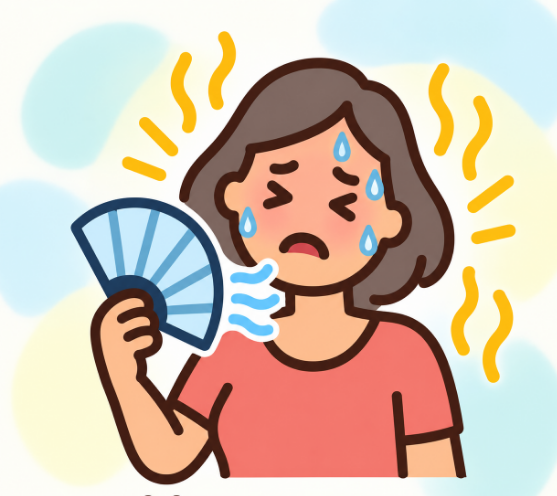
Menopause
What is Menopause?
Menopause is officially reached when a woman has gone 12 consecutive months without a menstrual period, signaling the end of her natural reproductive years. The average age for natural menopause is around 51, though it typically occurs anytime between ages 45 and 55. Because it is diagnosed in hindsight after a full year without a cycle, menopause itself is technically a single point in time, while the period following it is known as postmenopause.
What Causes It?
Natural menopause occurs as part of the normal aging process when the ovaries run out of functional eggs. As ovarian reserves deplete, the ovaries produce significantly lower levels of key reproductive hormones, particularly estrogen and progesterone. This hormonal drop stops the monthly cycle and leads to common physical changes, such as hot flashes, sleep disturbances, and vaginal dryness. Menopause can also occur suddenly at an earlier age if the ovaries are surgically removed or damaged by medical treatments like chemotherapy or radiation.
Perimenopause
What is Perimenopause?
Perimenopause—meaning "around menopause"—is the transitional phase leading up to menopause. It often begins in a woman's 40s (though it can start in the late 30s) and lasts an average of four to eight years. During this stage, menstrual cycles often become unpredictable—turning shorter, longer, heavier, or lighter. Women may also start experiencing symptoms like hot flashes, mood swings, night sweats, and brain fog, even though they are still menstruating and can technically still become pregnant.
What Causes It?
Perimenopause is caused by natural shifts in how the ovaries function as they near the end of their reproductive lifespan. Instead of declining in a smooth, steady line, hormone levels—especially estrogen and progesterone—begin to rise and fall unpredictably, like a roller coaster. These constant hormonal spikes and dips disrupt the normal brain-ovary signaling pathway that regulates ovulation, leading to irregular periods and the wide array of symptoms associated with this phase.
This page is for general information, if you have questions or wondering about possible treatment. feel free to connect, book appointment at WELL Health Medical Centre — Regent