Women's health
Intra-uterine device / IUD
Because it stays in place continuously, it works without requiring daily attention, such as taking a pill at the same time every day.
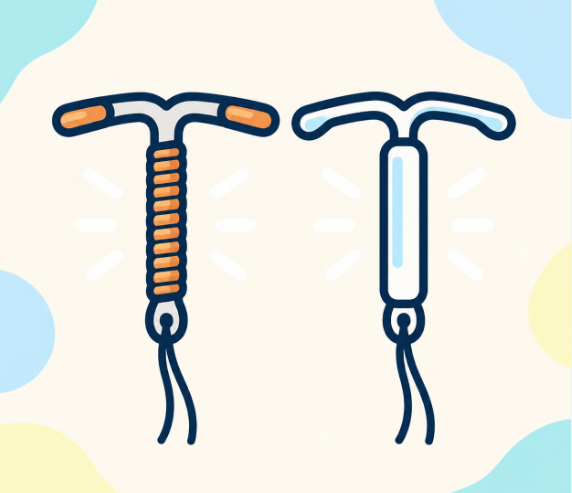
Intra-uterine device
What is an Intra-uterine Device (IUD)?
An IUD is a long-acting, reversible contraceptive (LARC) device designed to fit comfortable inside the uterine cavity. It features two thin strings hanging down through the cervix into the top of the vagina, which allow a healthcare provider to check its placement and easily remove it when needed. Because it stays in place continuously, it works without requiring daily attention, such as taking a pill at the same time every day. Clinical studies show that IUDs are over 99% effective because they eliminate the possibility of human error. Fertility typically returns to its baseline immediately after the device is removed by a doctor.
How Does It Work?
IUDs prevent pregnancy primarily by preventing sperm from reaching and fertilizing an egg. Non-hormonal copper IUDs work by continuously releasing copper ions into the uterine lining. Copper acts as a natural toxic agent to sperm, stopping them from swimming effectively toward an egg and preventing fertilization. Hormonal IUDs work by steadily releasing a low dose of progestin directly into the uterus. This thickens the cervical mucus to block sperm from entering, thins the uterine lining to prevent a fertilized egg from implanting, and in some cases, prevents ovulation (the release of an egg) altogether.
Note: Copper IUD can be used as a form of Emergency Contraception/Plan B. They are the most effective emergency contraception in Canada. Mirena/Kyleena are not yet approved for emergency contraception in Canada at this time (2026).
Who is a Good Candidate?
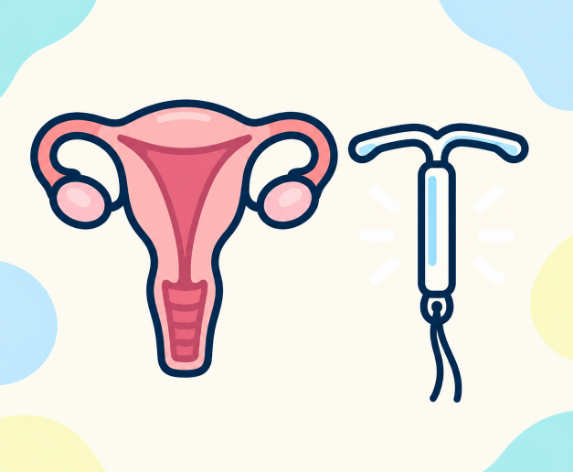
Most individuals who can become pregnant are suitable candidates for an IUD, including those who have never given birth, adolescents, and those who are breastfeeding. Hormonal IUDs are often an excellent choice for individuals who experience heavy, painful periods, as the hormone thins the uterine lining and significantly reduces menstrual bleeding and cramping over time. Non-hormonal copper IUDs are ideal for individuals who prefer or need to avoid exogenous hormones entirely. An IUD may not be appropriate for individuals with an active pelvic infection, unexplained vaginal bleeding, certain structural uterine abnormalities (like large fibroids that alter the shape of the uterine cavity), or Wilson's disease (for copper IUDs). A healthcare provider will perform a basic evaluation to ensure an IUD is safe and appropriate for your health history.
This page is for general information, if you have questions or wondering about possible treatment. feel free to connect, book appointment at WELL Health Medical Centre — Regent